Buying Guide for Washing Machine: Easy Guide for Beginners
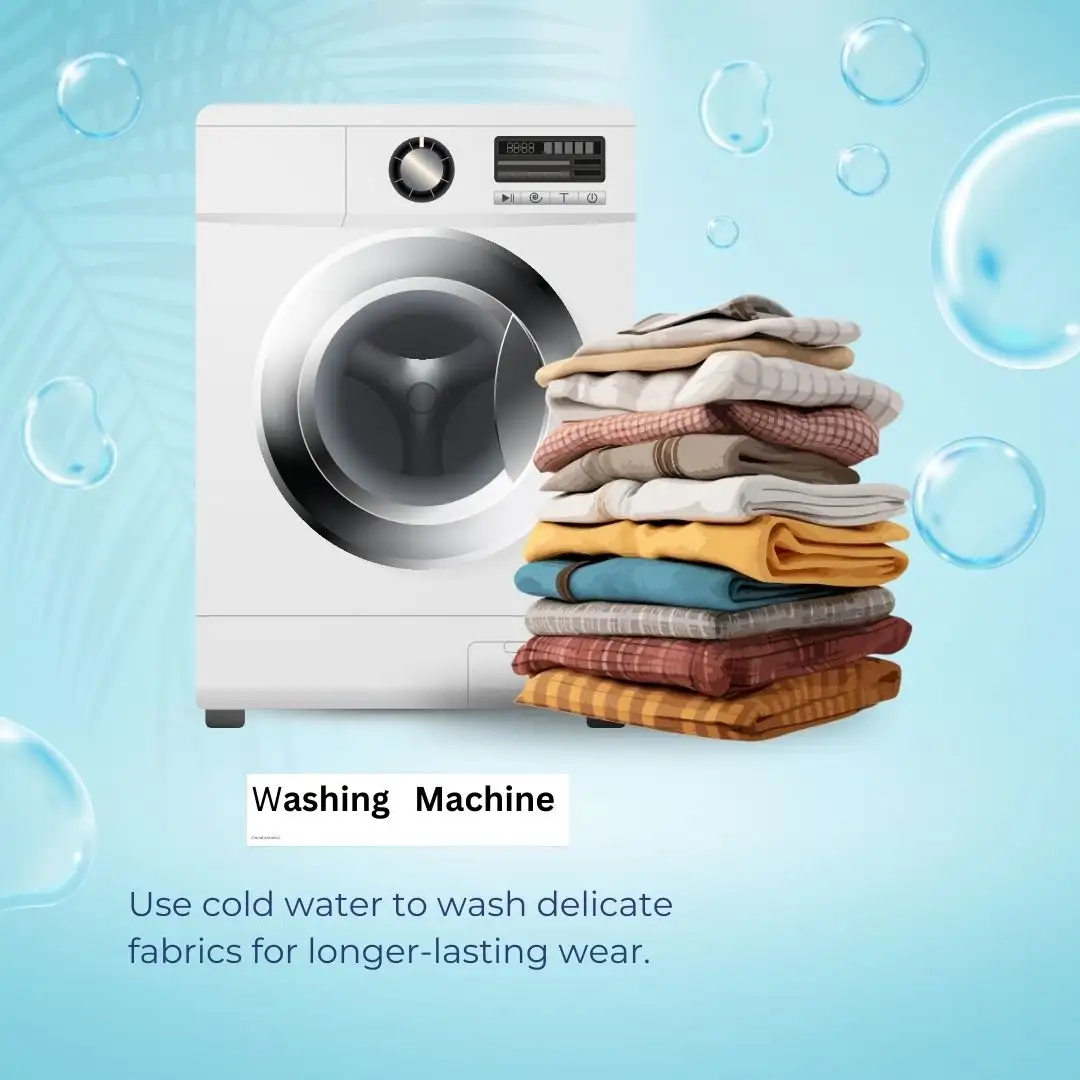
Buying a washing machine can feel confusing, especially if it is your first time. There are many types, sizes, brands, and features to choose from. If you’re unsure what to look for, you may end up purchasing a machine that doesn’t meet your needs.
This guide is written in simple English to help you easily understand washing machines. After reading this post, you will know what type of washing machine is best for your home, how much capacity you need, and which features really matter.
What Is a Washing Machine?
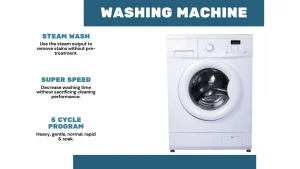
A washing machine is a home appliance that washes dirty clothes using water, detergent, and movement. It saves time, effort, and water compared to washing clothes by hand.
Modern washing machines can wash, rinse, and spin-dry clothes automatically. Some machines even have special programs for delicate clothes, jeans, and blankets.
Types of Washing Machines
There are mainly three types of washing machines. Each type has its own benefits and drawbacks.
-
Top Load Washing Machine
In a top load washing machine, clothes are loaded from the top.
Pros:
- Easy to use
- No need to bend while loading clothes
- Faster wash cycles
- Usually cheaper than front-load machines
Cons:
- Uses more water
- Not as gentle on clothes as front-load machines
Best for:
Small to medium families and people who want easy operation.
-
Front Load Washing Machine
In a front load washing machine, clothes are loaded from the front.
Pros:
- Uses less water and detergent
- Cleans clothes very well
- Gentle on clothes
- Saves electricity
Cons:
- More expensive
- Wash cycles take longer
- Requires bending to load clothes
Best for:
Families who want better cleaning and long-term savings.
-
Semi-Automatic Washing Machine
A semi-automatic washing machine has two tubs—one for washing and one for drying.
Pros:
- Cheaper
- Uses less electricity
- Good for areas with water shortage
Cons:
- Needs manual work
- Clothes must be moved from wash tub to spin tub
Best for:
Budget buyers and homes with irregular water supply.
Fully Automatic vs Semi-Automatic Washing Machine
Fully Automatic Washing Machine
- Does everything on its own
- Needs continuous water supply
- More convenient
Semi-Automatic Washing Machine
- Needs manual effort
- Less expensive
- Works well even with limited water
If you want comfort and ease, choose a fully automatic washing machine.
If you want to save money, a semi-automatic machine is a good choice.

Washing Machine Capacity Explained
Capacity means how many clothes a washing machine can wash in one cycle. It is measured in kilograms (kg).
Capacity Guide:
- 6–6.5 kg: 1–2 people
- 7–8 kg: 3–4 people
- 9 kg or more: Large families
Choosing the right capacity is important. A small machine may overload easily, while a very large machine may waste water and electricity.
Important Features to Look For
Modern washing machines come with many features. Here are the most important ones you should check.
-
Wash Programs
Different programs are made for different clothes, such as:
- Cotton
- Delicate
- Quick wash
- Heavy wash
More programs give you more control.
-
Spin Speed
Spin speed is measured in RPM (rotations per minute).
Higher RPM means clothes dry faster.
- 700–800 RPM: Basic drying
- 1000–1200 RPM: Faster drying
-
Inverter Technology
An inverter motor:
- Saves electricity
- Makes less noise
- Lasts longer
Checking is always recommended for inverter technology if your budget allows
-
Child Lock
This feature locks the buttons so children cannot change settings while the machine is running.
-
Delay Start
Delay start lets you choose when the wash cycle will begin. This is useful if you want to wash clothes at night or when electricity rates are lower.
Energy and Water Efficiency
A good washing machine should save electricity and water.
Energy Rating
Machines with higher star ratings use less electricity. Over time, this saves money on electricity bills.
Water Usage
Front load washing machines usually use less water than top load machines.
Size and Space Considerations
Before buying a washing machine, measure the space in your home.
Ask yourself:
- Is there enough space for the machine?
- Do I need space to open the door?
- Is there proper water and power connection?
Always check machine dimensions before buying.
Noise and Vibration
Some washing machines can be noisy, especially during the spin cycle.
If your washing area is near bedrooms or living rooms, choose a machine with:
- Low noise levels
- Anti-vibration technology
Budget and Brand
Washing machines come in different price ranges.
Budget Tips:
- Do not pay for features you will never use
- Focus on quality, warranty, and service support
Choose a brand that has:
- Good customer reviews
- Nearby service centers
- At least 1–2 years warranty
Common Mistakes to Avoid
- Buying the wrong capacity
- Ignoring energy ratings
- Choosing style over usefulness
- Not checking service availability
- Buying without measuring space
Avoiding these mistakes can save you money and stress.
How to Choose the Right Washing Machine for You
Following steps should be followed when choosing a washing machine:
- Decide the type (top load, front load, or semi-automatic)
- Select capacity based on family size
- Check energy and water efficiency
- Look for useful features
- Compare price, warranty, and service
This step-by-step method works well for most homes.
Comparison Table Version
🔸 Types of Washing Machines Comparison Table
| Feature | Top Load | Front Load | Semi-Automatic |
| Loading Style | From top | From front | From top |
| Ease of Use | Very easy | Moderate | Manual work |
| Water Usage | High | Low | Low |
| Electricity Usage | Medium | Low | Very low |
| Cleaning Quality | Good | Excellent | Good |
| Price Range | Medium | High | Low |
| Best For | Easy daily use | Long-term savings | Budget buyers |
🔸 Fully Automatic vs Semi-Automatic
| Feature | Fully Automatic | Semi-Automatic |
| Manual Effort | Very low | High |
| Convenience | High | Medium |
| Water Requirement | Continuous | Flexible |
| Electricity Use | Medium | Low |
| Price | Higher | Lower |
| Ideal For | Busy households | Limited budget homes |
🔸 Washing Machine Capacity Guide
| Family Size | Recommended Capacity |
| 1–2 People | 6–6.5 kg |
| 3–4 People | 7–8 kg |
| 5+ People | 9 kg or more |
🔸 Feature Comparison Table (Buyer Decision Helper)
| Feature | Why It Matters |
| Inverter Motor | Saves electricity and reduces noise |
| High RPM | Faster drying time |
| Child Lock | Prevents accidental setting changes |
| Wash Programs | Protects different fabric types |
| Energy Rating | Reduces electricity bills |
Final Thoughts
Buying a washing machine does not have to be difficult. When you understand the types, capacity, and features, choosing becomes much easier. Focus on your family size, daily needs, and budget. A good washing machine saves time, energy, and effort, making everyday life more comfortable. Take your time, compare options, and choose wisely.
FAQs: Washing Machine Buying Guide
-
Which washing machine is best for home use?
A fully automatic washing machine is best for most homes because it is easy to use and saves time.
-
Is a front load washing machine better than a top load?
Front load machines clean better and use less water, but top load machines are easier to use and cheaper.
-
How long does a washing machine last?
A good washing machine can last 8–12 years with proper care.
-
How much water does a washing machine use?
Top load machines use more water than front load machines. Exact usage depends on the model.
-
Can I wash blankets in a washing machine?
Yes, but you need a machine with enough capacity, usually 8 kg or more.
-
Is inverter technology really useful?
Yes. It saves electricity, reduces noise, and increases machine life.
-
What capacity washing machine is best for a family of four?
A 7–8 kg washing machine is ideal for a family of four.