The Real-World Impact of Machine Learning Platforms: Turning Business Data into Business Growth
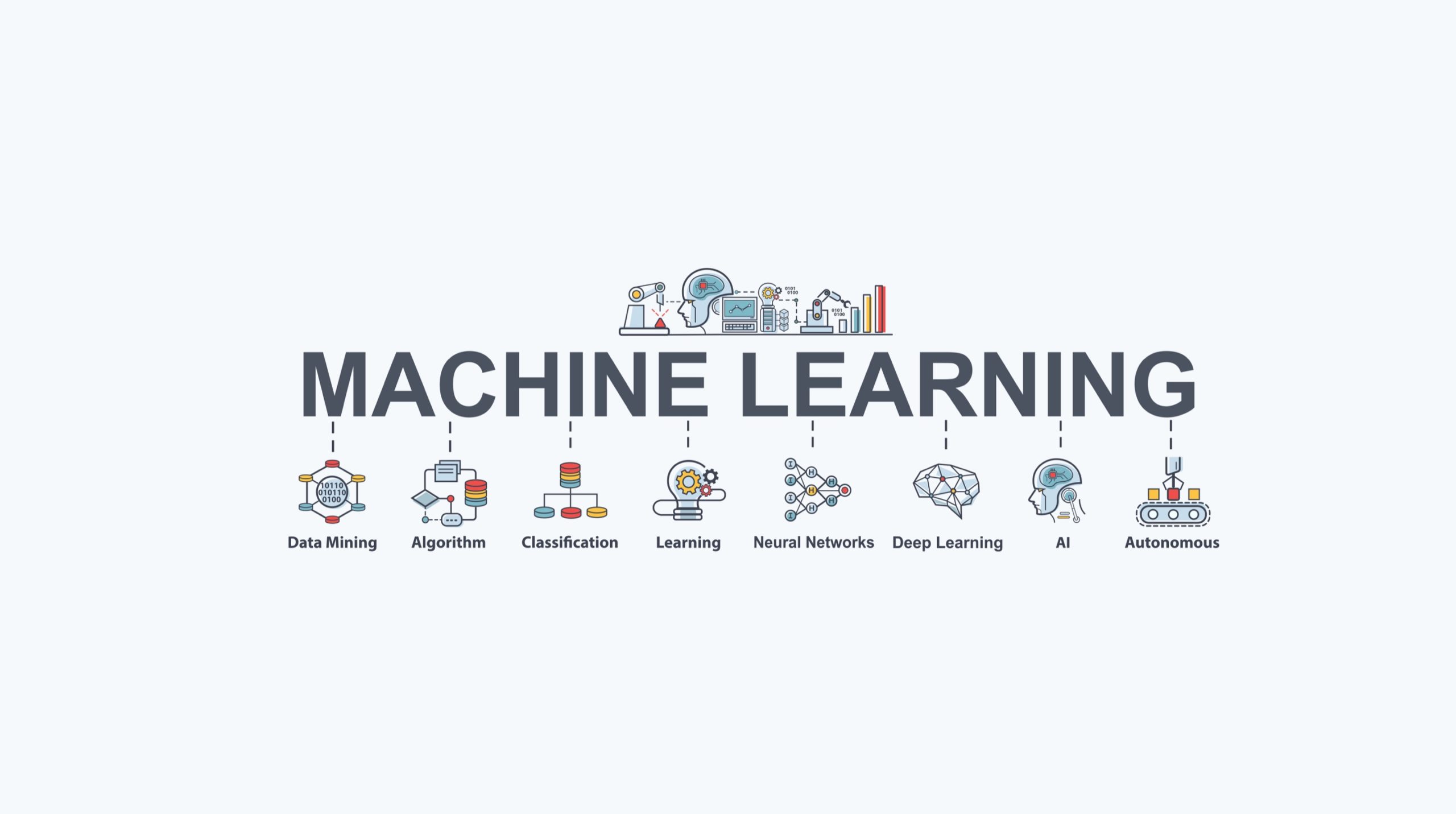
In the modern economy, we aren’t just running businesses; we are running data factories. Every click, every sale, and every customer interaction leaves a digital footprint. But here’s the reality: most companies are drowning in data while starving for actual insights. Raw data, on its own, is just noise. To turn that noise into a strategy, you need a
Machine Learning (ML) platform for business.
Think of an ML platform not just as a “tech tool,” but as a bridge. it connects the massive piles of information you already have to the smart, automated decisions you need to make to stay ahead of the curve. Whether you are a small startup trying to find your footing or a massive enterprise looking to trim the fat, machine learning is the engine that drives modern efficiency.
What Exactly Is a Machine Learning Platform?
If you strip away the jargon, a machine learning platform is a workspace. It’s where your team builds, tests, and launches AI models that can spot patterns a human eye would miss. Instead of a programmer writing a rigid “if this, then that” code, you feed the platform data, and the platform learns how to make predictions.
A solid business platform usually handles the heavy lifting, including:
- Cleaning up messy data: Because “garbage in” means “garbage out.”
- Predictive Analytics: Helping you guess what happens next.
- Real-time Monitoring: Keeping an eye on operations 24/7.
- Visualization: Turning complex math into charts that actually make sense to a manager.
The Human Benefit: Why Your Business Actually Needs This
It’s easy to get caught up in the “cool factor” of AI, but the real value is much more practical.
- Making Smarter Calls (Without the Guesswork) We’ve all made business decisions based on a “gut feeling.” Sometimes it works; often it doesn’t. ML platforms replace that uncertainty with evidence. For example, instead of guessing how much stock to order for next month, an ML model looks at five years of seasonal trends, current weather patterns, and local economic shifts to give you a precise number.
- Killing the “Busy Work” Human beings are great at creativity and strategy, but we are terrible at repetitive data entry. ML platforms excel at the boring stuff—filtering spam, flagging fraudulent credit card charges, or sorting through thousands of customer support tickets. When you automate the mundane, you give your team their time back to do work that actually moves the needle.
- Treating Customers Like Individuals In a world of mass marketing, personalization is king. Machine learning allows you to treat a million customers like they are the only one. Whether it’s a “recommended for you” section on a website or a perfectly timed discount email, ML ensures that your brand feels relevant to every single person it touches.
Key Features to Look For
If you’re shopping for a platform, don’t just look at the price tag. Look at how it handles the “dirty work” of AI:
- Data Management: Can it talk to your existing spreadsheets, CRM, and website?
- User-Friendliness: Not every business has a team of PhD data scientists. “Low-code” or “no-code” interfaces are a lifesaver for marketing and sales teams.
- Cloud Scalability: You want a platform that grows with you. Cloud-based systems mean you don’t have to buy a room full of expensive servers just to get started.
- Security: This is non-negotiable. If you’re feeding the platform customer data, it needs to be encrypted and compliant with local privacy laws.
How Different Industries Are Actually Using It
AI isn’t just for Silicon Valley. It’s on the factory floor and in the local clinic:
- Healthcare: Doctors use ML to spot early signs of disease in X-rays that might be too subtle for a tired human eye.
- Finance: Banks use it to catch hackers in milliseconds, identifying spending patterns that look “off” compared to a user’s history.
- Retail: E-commerce shops use ML to adjust prices dynamically based on demand, ensuring they are always competitive without losing their margin.
- Manufacturing: Predictive maintenance tells a factory manager that a machine is about to break before it actually shuts down the assembly line.
The Learning Curve: It’s Not All Sunshine and Robots
To keep it 100% real, implementing machine learning isn’t a “set it and forget it” solution. There are hurdles:
- The “Data Cleanliness” Problem: If your records are a mess, the AI will give you messy results.
- The Talent Gap: Finding people who understand how to tweak these models can be tough and expensive.
- Integration Headaches: Making new AI tools play nice with your old 2010-era software can take some serious technical effort.
Is the Cloud the Way to Go?
For 90% of businesses, the answer is yes. Cloud-based ML platforms (like those offered by Google, AWS, or Azure) are popular because they remove the “barrier to entry.” You don’t need a massive upfront investment. You pay for what you use, you can access it from your home office in Chittagong or a boardroom in New York, and the provider handles the security updates.
The Future: Where Are We Headed?
We are moving toward a future where AI isn’t a “special project” but a standard part of every app we use. We will see more “Autonomous Business Systems” where the AI identifies a problem and fixes it before a human even knows it existed. Natural Language Processing (NLP) is also getting so good that you’ll soon be able to ask your business platform, “Why did sales dip in April?” and get a spoken, logical answer.
Closing Thoughts
At the end of the day, a machine learning platform is about empowerment. It’s about taking the overwhelming flood of digital information and turning it into a clear roadmap for your business.
You don’t need to be a tech giant to start. You just need to be a business that is tired of guessing and ready to start knowing. The companies that start building their AI muscles today are the ones that will still be standing—and thriving—ten years from now. The future is automated; the only question is whether you’re going to lead it or follow it.